
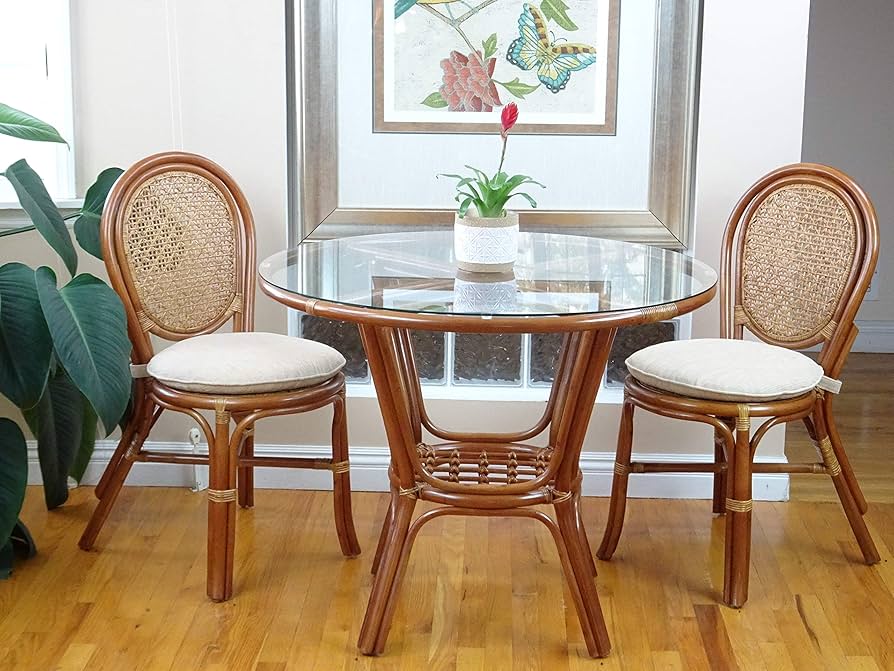
Indonesia has long been a key player in the global rattan furniture industry. As one of the world’s largest rattan producers, the country supplies high-quality furniture to international markets. The combination of skilled craftsmanship, sustainable materials, and innovative designs has propelled Indonesian rattan furniture to the forefront of the industry.
The Origins and Growth of Rattan Industry in Indonesia
1. A Rich Natural Resource
Indonesia is home to over 80% of the world’s rattan supply, with vast forests in Sumatra, Kalimantan, and Sulawesi providing abundant raw materials. The availability of natural rattan has allowed the local industry to flourish, supporting both small-scale artisans and large manufacturers.
2. Government Support and Sustainable Practices
The Indonesian government has implemented policies to encourage sustainable rattan harvesting and export. By regulating rattan collection and promoting eco-friendly processing techniques, Indonesia ensures the long-term viability of its rattan industry while preserving the environment.
Why Indonesian Rattan Furniture Stands Out
1. High-Quality Materials and Craftsmanship
One of the defining features of Indonesian rattan furniture is the superior quality of its materials. The country’s artisans are renowned for their weaving techniques, creating intricate and durable designs. The attention to detail in Indonesian-made rattan furniture distinguishes it from mass-produced alternatives.
2. A Wide Variety of Designs
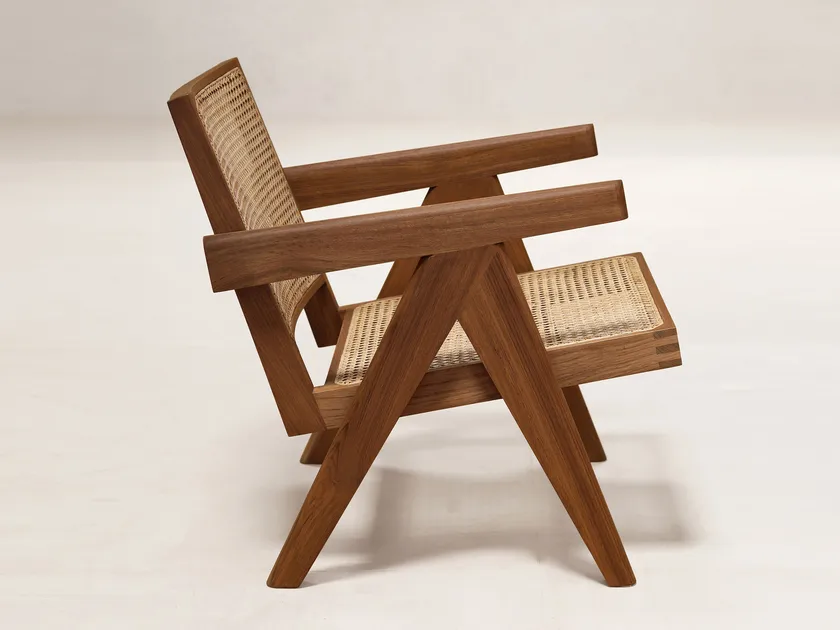
Indonesian rattan furniture is available in a vast range of styles, catering to different tastes and preferences. Whether it’s a classic handwoven chair or a modern minimalist design, Indonesian manufacturers offer diverse options for both residential and commercial spaces.
3. Eco-Friendly and Sustainable
Rattan is a renewable resource that grows much faster than hardwood trees, making it an environmentally friendly choice. Many Indonesian furniture makers emphasize sustainable production by using natural dyes, reducing waste, and employing ethical labor practices.
Popular Markets for Indonesian Rattan Furniture
1. Europe and North America
Rattan furniture from Indonesia is highly popular in European and North American markets due to its aesthetic appeal and durability. Consumers in these regions appreciate the natural, organic look of rattan, which complements modern and bohemian interior styles.
2. Asia and the Middle East
Asian and Middle Eastern markets also have a strong demand for rattan furniture, particularly for outdoor and hospitality settings. The lightweight yet sturdy nature of rattan furniture makes it ideal for tropical and warm climates.
Challenges and Opportunities in the Industry
1. Competition with Synthetic Rattan
While natural rattan is highly valued, synthetic alternatives have gained popularity due to their lower maintenance requirements. To compete with these products, Indonesian manufacturers focus on innovation and quality to highlight the benefits of genuine rattan furniture.
2. Expanding Online Presence
The rise of e-commerce presents significant opportunities for Indonesian rattan furniture exporters. By leveraging digital marketing and online sales platforms, manufacturers can reach a broader audience and expand their global customer base.
3. Investment in Design and Technology
To maintain a competitive edge, Indonesian furniture makers continue to invest in new designs and technology. Collaborations with international designers and the use of modern production techniques help ensure that Indonesian rattan furniture remains relevant in an evolving market.
Indonesian rattan furniture has carved out a strong presence in the global market, thanks to its superior craftsmanship, sustainability, and diverse design options. As consumer interest in eco-friendly and artisanal products grows, the industry is poised for further expansion. With continued innovation and government support, Indonesia remains a leading force in the rattan furniture sector, offering timeless and sustainable pieces for homes and businesses worldwide.