
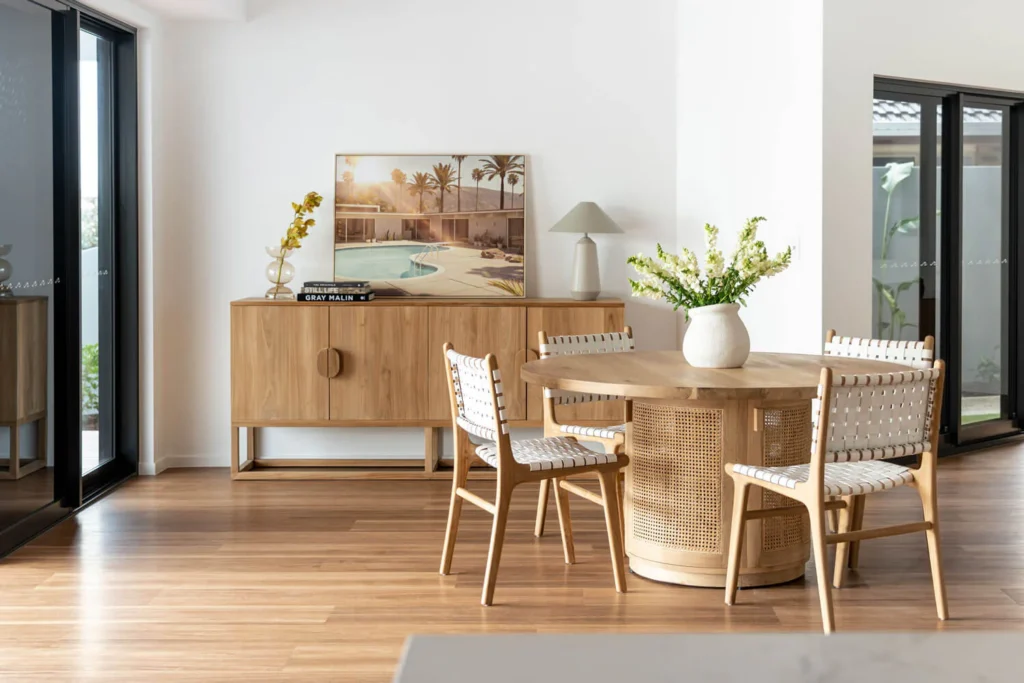
Indonesia is known as one of the leading producers of high-quality furniture that is highly sought after in international markets. The main advantage of export furniture from Indonesia lies in its high-quality raw materials, artistic designs, and the craftsmanship of artisans whose skills have been passed down for generations. With a variety of wood options such as teak, mahogany, and suar, export furniture from Indonesia has a unique appeal in the global market.
Moreover, Indonesia’s furniture industry is also supported by sustainable raw materials. Many manufacturers adopt environmentally friendly principles by using certified wood from sustainable forests. This makes export furniture from Indonesia more attractive, especially in European and American markets that prioritize sustainability in their imported products.
The Great Potential of Indonesia’s Furniture Export Market
High Demand from Various Countries
The export furniture from Indonesia market continues to grow as demand increases from various countries. Some of the primary destinations for Indonesian furniture exports include:
- United States: The largest market for Indonesian wooden furniture.
- Europe: Countries such as Germany, the Netherlands, and the UK highly appreciate natural materials and classic designs.
- East Asia: China and Japan are increasingly interested in export furniture from Indonesia due to its beauty and durability.
With its competitive advantages, the opportunity for export furniture from Indonesia remains vast, especially for businesses looking to expand their market.
Factors Supporting Export Success
Several key factors contribute to the continuous growth of Indonesia’s furniture exports, including:
- Abundant Raw Materials: Indonesia has an extensive supply of high-quality wood that enhances the durability of its products.
- Skilled Craftsmanship: Indonesian artisans’ expertise in transforming wood into artistic furniture is recognized worldwide.
- Government Support: Various policies and incentives help the furniture industry continue to thrive, including certification programs and international market promotions.
Challenges in Furniture Export and How to Overcome Them
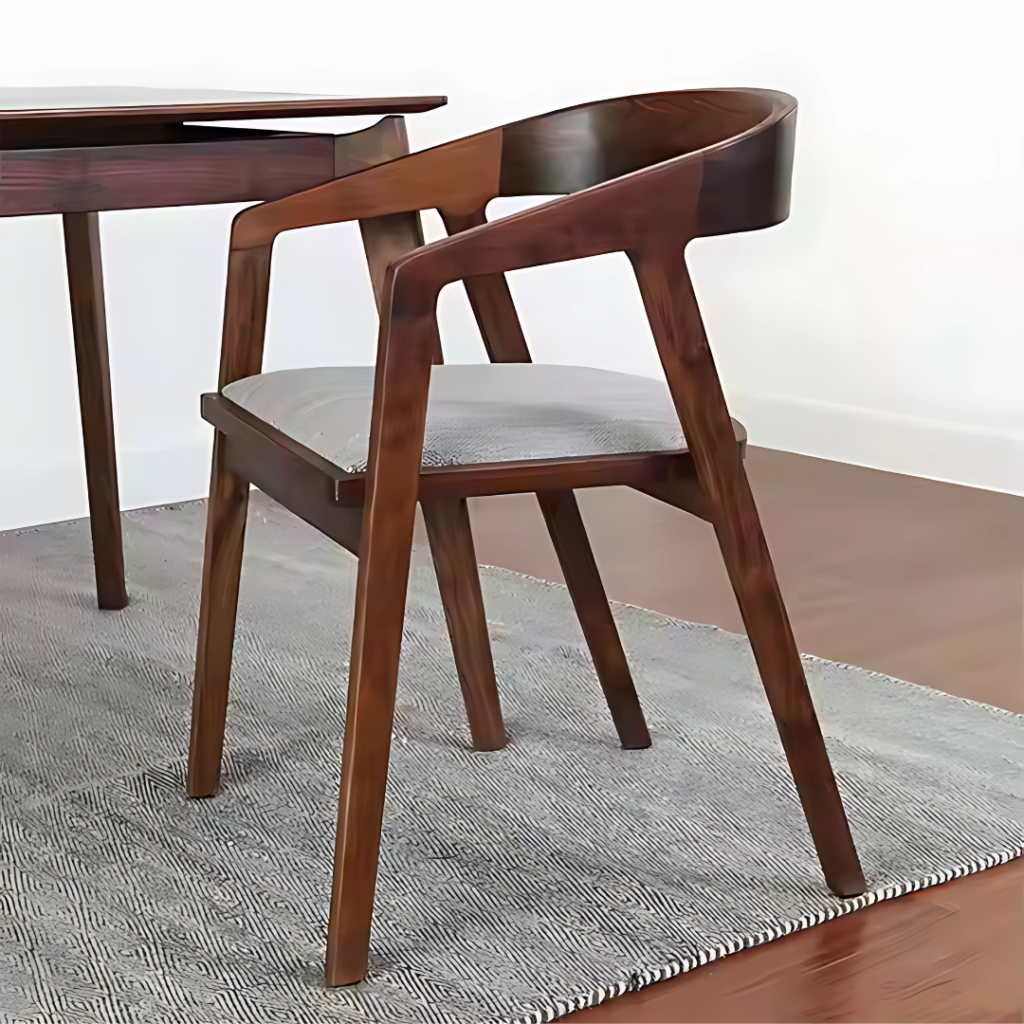
1. Regulatory and Certification Barriers
Despite its great potential, exporting furniture from Indonesia also faces several challenges. One of the main hurdles is strict regulations and certifications required in some export destination countries. For example, the European Union enforces the Forest Law Enforcement, Governance and Trade (FLEGT) regulation to ensure that the wood used is sourced legally.
Solution: Businesses must ensure they use certified wood, such as the SVLK (Timber Legality Verification System), to ensure their products are accepted in the global market without restrictions.
2. Competition with Other Countries
Countries like Vietnam and China are also major competitors in the global furniture industry, offering more competitive prices with efficient production processes.
Solution: Indonesia must focus on unique designs, high quality, and sustainability aspects to differentiate itself from competitors. Additionally, leveraging technology in production can enhance efficiency and competitiveness.
Strategies for Successful Furniture Export
1. Enhancing Branding and Marketing
To increase competitiveness in the international market, Indonesian furniture companies must actively engage in digital marketing and branding. Utilizing global e-commerce platforms such as Alibaba and Amazon can help Indonesian products reach more buyers.
2. Participating in International Exhibitions
Taking part in international furniture exhibitions such as IMM Cologne, Maison & Objet Paris, or CIFF China can open new business opportunities and expand networks with global buyers.
3. Innovation and Creative Designs
Unique and innovative designs are the main attractions of Indonesian furniture. Combining traditional elements with modern styles can create products that have high artistic value and cater to international market preferences.
Export furniture from Indonesia has significant potential for continuous growth, supported by abundant natural resources, skilled craftsmanship, and high market demand. Despite challenges such as regulations and global competition, with the right strategies, Indonesia’s furniture industry can continue to shine on the international stage. For businesses, now is the perfect time to explore export opportunities and bring Indonesian furniture to the world.