
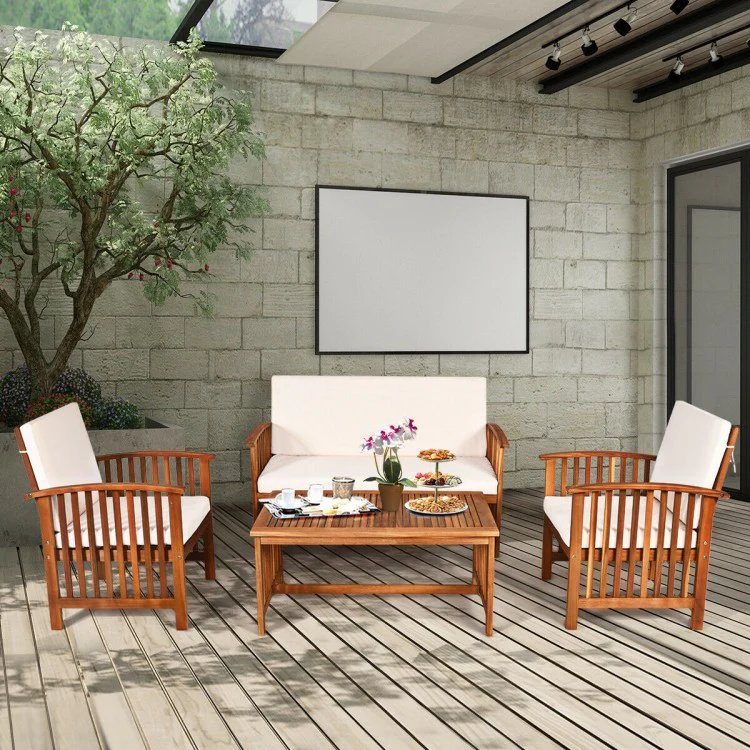
Indonesia has long been recognized as a major player in the global furniture industry. With a strong manufacturing sector, abundant raw materials, and skilled artisans, the country continues to supply furniture to markets across Asia, Europe, and North America. The industry thrives on both traditional craftsmanship and modern innovations, making it a dynamic and competitive market for buyers and investors alike.
Emerging Trends in Indonesian Furniture
1. Sustainable and Eco-Friendly Designs
Sustainability is becoming a key focus in the furniture industry. Many Indonesian manufacturers now prioritize eco-friendly materials such as reclaimed wood, bamboo, and recycled metals. Certifications like SVLK and FSC help ensure that products meet global environmental standards, making them more attractive to conscious consumers.
2. Customization and Personalization
Modern consumers seek furniture that aligns with their unique tastes and interior styles. Indonesian furniture makers have responded to this demand by offering bespoke designs, allowing buyers to customize materials, finishes, and dimensions to suit their preferences.
3. The Rise of Smart Furniture
Technology is influencing furniture design, with smart features becoming increasingly popular. Indonesian manufacturers are incorporating built-in charging ports, adjustable settings, and multifunctional designs to cater to modern lifestyles.
Key Opportunities for Buyers and Investors
1. Expanding Export Markets
The demand for Indonesian furniture continues to grow, particularly in Europe and North America. Export-friendly regulations, coupled with affordable production costs, make Indonesia an attractive destination for international buyers looking to source high-quality furniture at competitive prices.
2. Growth in E-Commerce and Online Retail
With the rise of online shopping, many Indonesian furniture suppliers are investing in digital platforms to reach global customers. E-commerce allows buyers to explore catalogs, place orders, and arrange shipments without the need for physical visits, making the process more efficient.
3. Collaboration with Local Artisans
Indonesia is home to a rich tradition of craftsmanship, particularly in regions like Jepara, Bali, and Yogyakarta. Investors and businesses that collaborate with these artisans can tap into unique, handcrafted designs that appeal to niche markets looking for cultural and artistic authenticity.
How to Navigate the Indonesian Furniture Market
1. Understanding Local Regulations
Before engaging with Indonesian suppliers, it is important to understand the country’s trade regulations, quality standards, and export requirements. Working with certified manufacturers ensures compliance with international standards.
2. Building Strong Supplier Relationships
Establishing direct relationships with manufacturers allows for better pricing, customization options, and reliable quality control. Visiting trade fairs such as IFEX can be an excellent way to connect with reputable suppliers.
3. Evaluating Logistics and Shipping
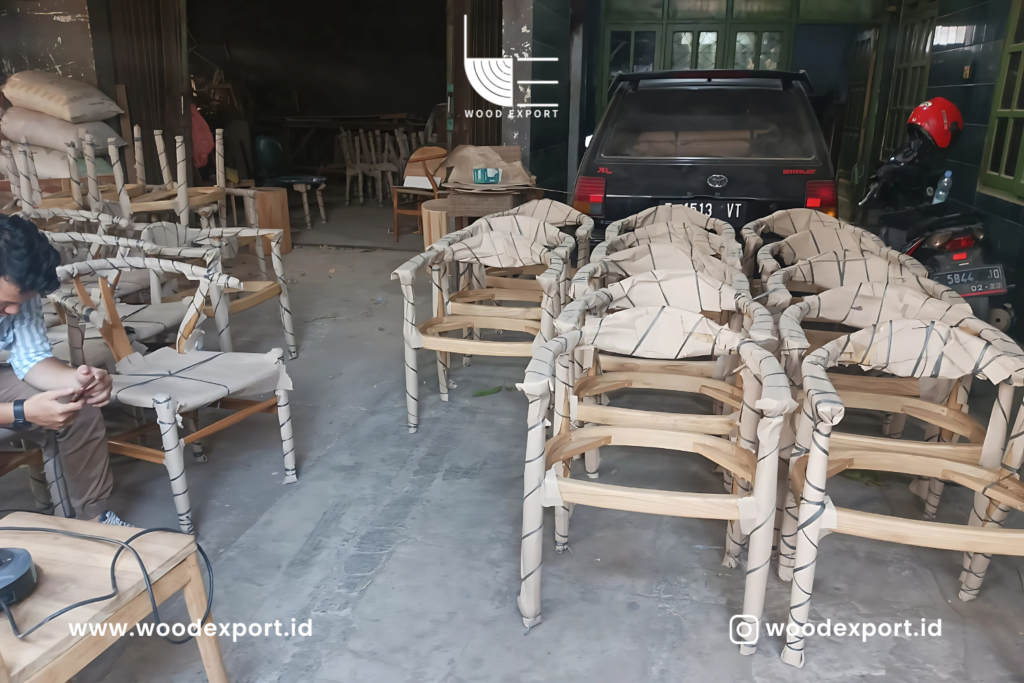
Since furniture is often large and bulky, understanding the logistics of transportation and shipping is crucial. Many Indonesian suppliers offer export assistance, including packaging and freight services, to ensure smooth delivery to international destinations.
Indonesia’s furniture market presents a wealth of opportunities for both buyers and investors. With its strong craftsmanship, sustainable practices, and growing digital presence, the industry continues to evolve and expand. Whether you are looking for handcrafted pieces, eco-friendly designs, or smart furniture solutions, Indonesia remains a top destination for quality and innovation in the global furniture sector.